
By: Kade Thomas and Franchesca Renteria
For some, college was not defined by campus life, fraternities or free afternoons between classes. Instead, it was shaped by time, clocking in and late-night studying after work.
As tuition and cost of living continue to rise, a growing number of students are graduating while balancing employment alongside an academic course load. Working 20 to 40 hours a week while enrolled in 12 to 18 credit hours has become a reality for many students, not as a résumé booster, but as a necessity.
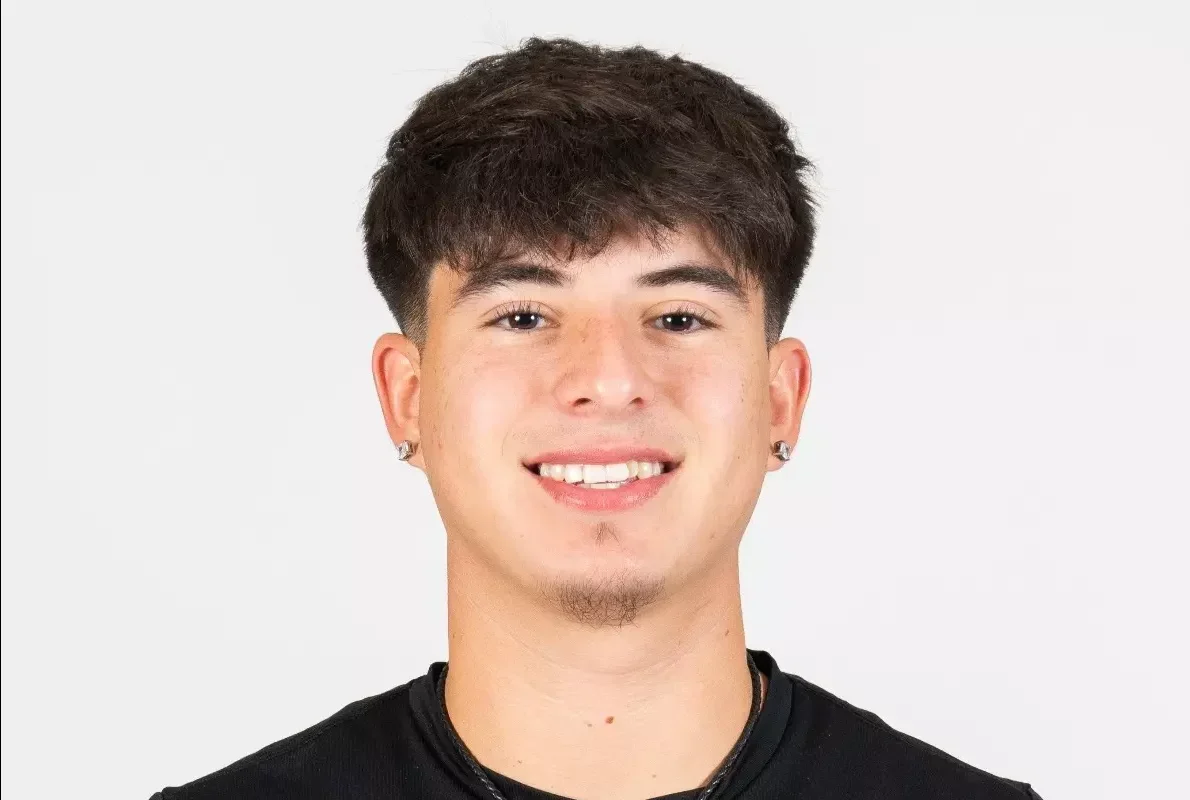
Eric Quilantan, an undergraduate student, worked about 20 hours a week while carrying a full course load on top of being the University of the Incarnate Word’s track and field captain. While working at Raising Cane’s, he balanced his academic responsibilities alongside demanding work shifts throughout the semester.
“Sometimes the day felt like school, track, work, track, work, school,” Quilantan said.
He expressed that the constant routine was draining at times, but his coaches and professors helped him through it.
“I often found it challenging to rest and recover while trying to maintain finances with no roommate,” Quilantan said.

Elyssa Barrientos is one of the student-athlete development coordinators at the Office of the Director of Athletics who helps guide UIW athletes beyond their sport. She notes that a constant demand for high expectations on and off the field is one of the misunderstood aspects of student-athletes.
“Student-athletes are expected to excel academically, compete at a high level, represent their program well and still manage relationships and personal responsibilities all on very little downtime,” Barrientos said.
Barrientos works with them on time management, has a mandatory study hall in her office, and offers to work around schedules. She works closely with student-athletes to ensure that not only are they competing well in their sport, but also as individuals.
“I describe my role as someone who supports the whole student-athlete, not just their performance on the field or on the mat,” Barrientos said. “My role is to help student-athletes grow as people academically, professionally and personally so they are prepared for life beyond college sports.”
Despite these challenges, some graduates acknowledged that working throughout college helped develop time management skills, discipline, and financial responsibilities. Others questioned whether the constant exhaustion cost them their college experience.
While universities often encourage engagement, these opportunities remain largely inaccessible to students whose schedules are dictated by finances.
For graduates, earning a degree was not just an academic achievement, it was the result of endurance, sacrifice, and persistence. Their stories reflect a growing reality of college students balancing both.

